
Looks matter – handsome bank CEOs can earn a million more than their less attractive colleagues
20.9.2023 12:44:05 EEST | Vaasan yliopisto | Press release
Research suggests that appearance significantly influences the compensation of chief executive officers in the banking sector. In American banks, CEOs with more attractive facial features earn, on average, one million dollars more per year than their less appealing colleagues.
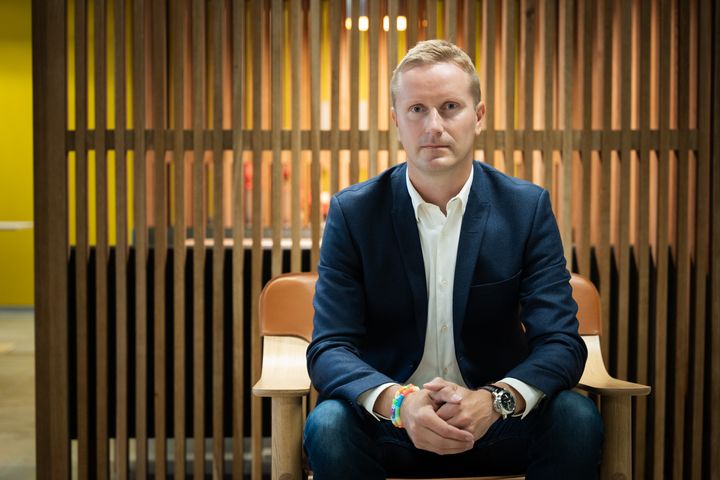
This insight comes from a recent study conducted by researchers from the University of Vaasa and Hanken School of Economics, Finland. The study published in the Journal of Economics and Business examined the connection between the attractiveness of CEOs' facial features and their compensation in the banking sector.
– CEOs who are more attractive, on average, receive an annual total compensation approximately 24 percent higher than their less attractive colleagues, says Sami Vähämaa, professor of accounting and finance at the University of Vaasa.
Vähämaa’s research team included Mikko Ranta, associate professor of accounting, and Shaker Ahmed, project researcher from the University of Vaasa, along with Emilia Vähämaa, associate professor of finance from Hanken.
Beauty pays off in banking too
In their study, Vähämaa and his team talk about a beauty premium, that is extra compensation given to employees based on their pleasing appearance. When comparing individuals in the same profession and position, it has been observed that attractive employees, on average, earn more.
The research dataset included 167 U.S. banks and 272 individual CEOs. The researchers employed machine learning to objectively assess the facial appearance of the bank CEOs. Mikko Ranta constructed a machine-learning model for the study, which evaluated the CEOs' appearances on a scale from one to five.
The attractiveness scores generated by the machine-learning model were based on the subjective perceptions of beauty by a large group of people. A training dataset was created, consisting of a large number of facial images and subjective evaluations of the individuals' appearances.
– American bank CEOs form a highly homogeneous group: white males who are around 50 to 60 years old. We tested our machine-learning model on images of the actor George Clooney, who represents this age group and is generally considered attractive. The model gave him scores ranging from 4.2 to 4.5 depending on the image. In contrast, the average attractiveness score for bank CEOs' facial features was 2.7, explains Vähämaa.
The study revealed that the beauty premium in CEO compensation cannot be explained by demographic factors such as age, gender, or ethnic background. Therefore, the beauty premium, an extra reward based on pleasant appearance, exists even in the high-paying CEO job market.
– Good looks benefit bank CEOs. Our research findings indicate that appearance has a significant positive impact on the total compensation of bank CEOs and especially on their discretionary, performance-based compensation, concludes Vähämaa.
Further information
Professor Sami Vähämaa, University of Vaasa, Finland, tel. +359 29 449 8455, sami.vahamaa@uwasa.fi
- Shaker Ahmed, Mikko Ranta, Emilia Vähämaa, Sami Vähämaa (2023) Facial attractiveness and CEO compensation: Evidence from the banking industry, Journal of Economics and Business, Volume 123, 2023 https://doi.org/10.1016/j.jeconbus.2022.106095
Keywords
Images


University of Vaasa
The University of Vaasa is an international research university in Finland with 5,500 students and high-level expertise in business, technology, management, and communications.
Alternative languages
Subscribe to releases from Vaasan yliopisto
Subscribe to all the latest releases from Vaasan yliopisto by registering your e-mail address below. You can unsubscribe at any time.
Latest releases from Vaasan yliopisto
Suomalaisyritysten kiertotalous ei skaalaudu kansainvälisille markkinoille – Vaasan yliopisto hakee ratkaisuja pk-yritysten kasvuun6.7.2026 08:24:24 EEST | Tiedote
Vaasan yliopisto on saanut Business Finlandilta rahoituksen tutkimushankkeelle, joka tähtää suomalaisten pk-teollisuusyritysten kansainvälisen kasvun vauhdittamiseen kiertotalouden avulla. International circular business model innovations for accelerated internationalisation -hankkeessa etsitään ratkaisuja siihen, miten kiertotalouteen perustuvat liiketoimintamallit saadaan toimimaan eri markkinoilla.
Pekka Suominen automaatiotekniikan professoriksi Vaasan yliopistoon: ”Kiertotalous ei toimi pelkillä hyvillä tavoitteilla”3.7.2026 08:01:25 EEST | Tiedote
Filosofian tohtori Pekka Suominen on aloittanut Vaasan yliopiston automaatiotekniikan professorina kesäkuussa. Hänen tutkimuksensa keskittyy älykkäisiin automaatiojärjestelmiin, robotiikkaan, mittaustekniikkaan, tekoälyyn sekä teollisen datan hyödyntämiseen päätöksenteossa.
Sote-alalla työn kuormittavuus heijastuu myös asiakkaisiin – ammattilaisten tukeminen lisää alan pitoa ja parantaa asiakkaiden luottamusta julkisiin palveluihin25.6.2026 12:54:36 EEST | Tiedote
Vaasan yliopistossa tarkastettava väitöstutkimus kartoittaa julkisten palveluiden ammattilaisten kuormitustekijöitä, kun sosiaali- ja terveysalan murros on tehnyt työstä vuorovaikutteisempaa ja kompleksisempaa. Salla Maijalan sosiaali- ja terveyshallintotieteiden väitös tarjoaa tutkittua tietoa esimerkiksi alan johtamisen kehittämiseksi.
Tatiana King ja Vanja Piljak professoreiksi Vaasan yliopistoon – tutkimuksessa korostuvat kestävyys ja rahoitusmarkkinoiden murros25.6.2026 09:15:38 EEST | Tiedote
Vaasan yliopistossa on aloittanut kesäkuussa kaksi uutta professoria, joiden tutkimus tarttuu ajankohtaisiin kestävyyshaasteisiin laskentatoimen ja rahoituksen näkökulmista. Laskentatoimen professori (ESG-raportointi ja kestävä kehitys) Tatiana King tutkii vastuullisuusraportointia ja ilmastoriskejä, kun taas rahoituksen professori (kansainväliset rahoitusmarkkinat) Vanja Piljak keskittyy kestävään rahoitukseen ja sijoittamiseen.
Velka-Suomesta vetovoima-Suomeksi – Vaasan yliopisto kutsuu SuomiAreenaan 23.6.17.6.2026 13:38:34 EEST | Kutsu
Miten Suomen vahvuudet käännetään kestäväksi kasvuksi ja investoinneiksi? Vaasan yliopiston SuomiAreena-keskustelu "Velka-Suomesta vetovoima-Suomeksi – talous kasvuun puhtaalla energialla ja kriisinsietokykyä vahvistamalla" kokoaa tiistaina 23. kesäkuuta Porin Kirkkolavalle Eurooppa- ja omistajaohjausministeri Joakim Strandin, Elinkeinoelämän keskusliiton EK:n toimitusjohtajan Minna Helteen, Hitachi Energy Finlandin toimitusjohtajan Matti Vaattovaaran, Vaasan yliopiston rehtorin Minna Martikaisen ja Sitran yliasiamiehen Atte Jääskeläisen.
In our pressroom you can read all our latest releases, find our press contacts, images, documents and other relevant information about us.
Visit our pressroom