
MetroPOEM – Tracing Pollution
30.9.2025 11:21:28 EEST | Säteilyturvakeskus (STUK) | Press release
The European research project MetroPOEM, which focused on improving the measurement and traceability of both radioactive and non-radioactive environmental pollutants, has successfully achieved its goals.
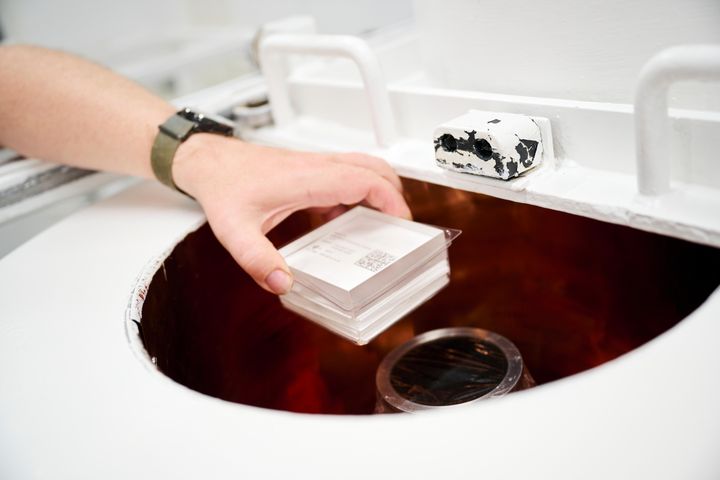
The aim of MetroPOEM was to enhance the traceability, sensitivity, and comparability of pollutant measurements—especially for ultra-low concentrations and isotope ratios of radioactive and stable elements. To improve traceability, the project explored ways to harmonise measurement methods for radioactive and non-radioactive substances.
The MetroPOEM project lasted three years and brought together 24 research institutes and universities from 14 different countries. From Finland, the Radiation and Nuclear Safety Authority (STUK) and the University of Helsinki participated in the project.
Traditionally, radioactive substances are identified by measuring the radiation they emit, while non-radioactive substances are typically analysed using mass spectrometry. MetroPOEM sought to bridge the gap between radiometric techniques and mass spectrometry in the characterisation and detection of long-lived radionuclides and stable elements. Comparing and combining these techniques has significantly improved measurement uncertainties and detection limits.
Sinikka Virtanen, Head of Laboratory at STUK, states that the project has achieved its ambitious goals, and the results will significantly improve the comparability, reliability, and traceability of environmental pollutant measurements—enabling more effective monitoring and decision-making.
Another key objective of MetroPOEM was to provide harmonised and clear guidance for measurements, including Good Practice Guides and training videos. According to Sinikka Virtanen, the guidance is now complete, and all the project results will be efficiently made available to laboratories through project websites.
The MetroPOEM project was driven by the European Union’s Green Deal’s zero pollution ambition, which aims for a pollution-free and non-toxic environment.
Keywords
Contacts
Media contacts
Tel:+358(10)8504761Links
Alternative languages
Subscribe to releases from Säteilyturvakeskus (STUK)
Subscribe to all the latest releases from Säteilyturvakeskus (STUK) by registering your e-mail address below. You can unsubscribe at any time.
Latest releases from Säteilyturvakeskus (STUK)
PERUUTUS! TÄMÄ SÄTEILYTURVAKESKUKSEN TILAISUUS ON PERUTTU. ETSIMME TILAISUUDELLE UUDEN AJAN. Kutsu toimittajille: Tervetuloa 22.10. Säteilyturvakeskukseen kuulemaan ja keskustelemaan nykyisen ja mahdollisen tulevan ydinvoiman turvallisuudesta Suomessa20.10.2026 10:14:49 EEST | Kutsu
Tervetuloa toimittajatilaisuuteen Säteilyturvakeskukseen Vantaan Jokiniemeen torstaina 22.10. kello 13.00–15.00. Tilaisuus alkaa kahvitarjoilulla. Tilaisuuteen on mahdollista osallistua läsnä ja etänä.
AURORad, som leds av Strålsäkerhetscentralen, främjar säker medicinsk användning av strålning i Europa13.10.2026 09:21:09 EEST | Pressmeddelande
Målet med AURORad-projektet, som samordnas av Strålsäkerhetscentralen och finansieras till 80 procent av Europeiska kommissionen, är att minska onödig strålningsexponering, förbättra kvaliteten på undersökningar och behandlingar samt stärka strålsäkerheten inom radiologi, strålbehandling och isotopmedicin. Öppningsevenemanget för det exceptionellt stora projektet inom sitt område hålls den 13–14 oktober på kulturcentret Sofia i Helsingfors.
Säteilyturvakeskuksen vetämä AURORad edistää turvallista säteilyn lääketieteellistä käyttöä Euroopassa13.10.2026 09:21:09 EEST | Tiedote
Säteilyturvakeskus koordinoiman ja Euroopan komission 80-prosenttisesti rahoittaman AURORad-hankkeen tavoite on vähentää tarpeetonta säteilyaltistusta, parantaa tutkimusten ja hoitojen laatua sekä vahvistaa säteilyturvallisuutta radiologiassa, sädehoidossa ja isotooppilääketieteessä. Alallaan poikkeuksellisen suuren hankkeen avaustapahtuma on Helsingissä kulttuurikeskus Sofiassa 13.-14. lokakuuta.
AURORad, led by the Radiation and Nuclear Safety Authority, promotes the safe medical use of radiation in Europe.13.10.2026 09:21:09 EEST | Press release
The aim of the AURORad project, coordinated by the Radiation and Nuclear Safety Authority and funded 80% by the European Commission, is to reduce unnecessary radiation exposure, improve the quality of examinations and treatments, and strengthen radiation safety in radiology, radiotherapy and nuclear medicine. The opening event of this exceptionally large project in its field will be held at the Sofia Cultural Centre in Helsinki on 13–14 October.
Kutsu toimittajille: Tervetuloa 22.10. Säteilyturvakeskukseen kuulemaan ja keskustelemaan nykyisen ja mahdollisen tulevan ydinvoiman turvallisuudesta Suomessa8.10.2026 12:43:01 EEST | Kutsu
Tervetuloa toimittajatilaisuuteen Säteilyturvakeskukseen Vantaan Jokiniemeen torstaina 22.10. kello 13.00–15.00. Tilaisuus alkaa kahvitarjoilulla. Tilaisuuteen on mahdollista osallistua läsnä ja etänä.
In our pressroom you can read all our latest releases, find our press contacts, images, documents and other relevant information about us.
Visit our pressroom