
STUK published a research report on nuclear safety cooperation that began when Soviet Union collapsed and ended in Russian war of aggression.
4.11.2025 14:08:28 EET | Säteilyturvakeskus (STUK) | Press release
The Radiation and Nuclear Safety Authority helped Russia improve the safety of their nuclear power plants for thirty years from the beginning of the 1990s. This cooperation ended following Russia’s invasion of Ukraine. History researcher Petri Paju has reported on the experiences of this cooperation in a research report published by the Radiation and Nuclear Safety Authority.
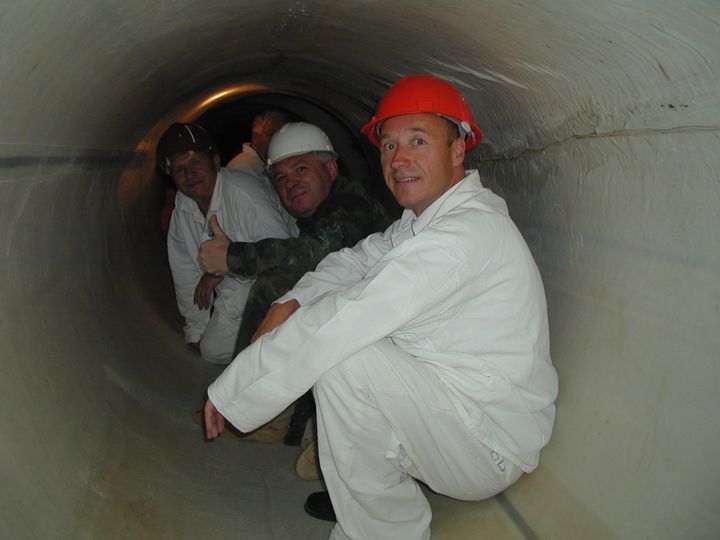
For three decades, Finland carried out exceptional and impactful work to improve nuclear safety across its eastern border. Researcher Petri Paju’s report “Nuclear sector cooperation based on trust: the Radiation and Nuclear Safety Authority of Finland and efforts to improve nuclear safety in the former Soviet Union in 1990–2022” is based on interviews with experts from the Radiation and Nuclear Safety Authority (STUK) and Finnish power companies and with others that participated in the cooperation with Russia. It tells the story of carrying internationally significant responsibility, technical competence and cooperation. The goal was a safer future for the entire Northern Europe.
In the last few years of the Soviet era, the nuclear power plants in the country were also in poor condition. The Chernobyl nuclear power plant accident in spring 1986 was in fresh memory. Finland became particularly concerned about the safety of the nuclear power plants closest to us, Leningrad and Kola. On this basis, Finland launched cooperation with Russian authorities and nuclear power plant employees funded by the Ministry for Foreign Affairs, among other measures. This cooperation meant not only an exchange of information but also material assistance to improve the safety of nuclear power plants.
Petri Paju’s report describes how cooperation between Finland and Russia was successful after Finns understood the Russian operating culture. They began obtaining information on the condition of the plants and were able to improve matters when they adopted a conversational approach rather than dictating how everything should be. According to the report, experts from other countries who also offered assistance to Russia did not always share the same cultural understanding.
The research report also describes how the openness expressed by the Russian party in the early years declined over the years and how the influence of Moscow’s central government gradually shut the doors of nuclear power plants and the mouths of Russian partners in the 2000s. The cooperation had been based on personal relationships and frequent visits. These visits stopped during the COVID-19 pandemic. Russia’s invasion of Ukraine in 2022 caused Finland to discontinue this cooperation altogether.
Keywords
Contacts
Petri PajuDocent, Senior Research Fellow, Cultural HistoryUniversity of Turku
Tel:040 8398 613firstname.lastname@utu.fiLinks
Alternative languages
- FIN: STUK julkaisi tutkimusraportin ydinturvallisuusyhteistyöstä, joka alkoi Neuvostoliiton romahduksesta ja päättyi Venäjän hyökkäyssodan alkuun
- SWE: STUK publicerade en forskningsrapport om kärnsäkerhetssamarbete som började när Sovjetunionen kollapsade och slutade när det ryska anfallskriget började
Subscribe to releases from Säteilyturvakeskus (STUK)
Subscribe to all the latest releases from Säteilyturvakeskus (STUK) by registering your e-mail address below. You can unsubscribe at any time.
Latest releases from Säteilyturvakeskus (STUK)
Geografisk information stöder beslutsfattandet i en nödsituation med strålrisk16.9.2026 14:29:15 EEST | Pressmeddelande
Strålsäkerhetscentralen (STUK) har i det EU-finansierade IDEAMETA-projektet utvecklat nya digitala lösningar för att skapa en lägesbild av nödsituationer med strålrisk samt för att sammanställa och dela lägesinformation. Utvecklingsarbetet gör bedömningen av strålningssituationen snabbare och förbättrar Finlands förmåga att svara på kärn- och strålningsolyckor.
Paikkatieto tukee päätöksentekoa säteilyvaaratilanteessa16.9.2026 14:29:15 EEST | Tiedote
Säteilyturvakeskus (STUK) on kehittänyt EU-rahoitteisessa IDEAMETA-hankkeessa uusia digitaalisia ratkaisuja säteilyvaaratilanteiden tilannekuvan muodostamiseen ja tilannetiedon kokoamiseen ja jakamiseen. Kehitystyö nopeuttaa säteilytilanteen arviointia ja parantaa Suomen kykyä vastata ydin- ja säteilyonnettomuuksiin.
Mycket små mängder radioaktivt kobolt i luften i Imatra i augusti10.9.2026 13:32:57 EEST | Pressmeddelande
Strålsäkerhetscentralen (STUK) upptäckte radioaktivt kobolt i ett luftpartikelprov som samlades in i Imatra i augusti.
Imatran ilmassa oli elokuussa hyvin vähän radioaktiivista kobolttia10.9.2026 13:32:57 EEST | Tiedote
Säteilyturvakeskus havaitsi Imatralla elokuussa kerätyissä ilman hiukkasnäytteessä radioaktiivista kobolttia.
IAEA:n tiedote: Kansainvälinen atomienergiajärjestö IAEA arvioi Suomen ydin- ja säteilyturvallisuusvalmiutta3.9.2026 12:01:51 EEST | Tiedote
Kansainvälisen atomienergiajärjestön (IAEA) asiantuntijaryhmä on päättänyt kymmenen päivää kestäneen arviointitehtävänsä, jonka aikana se arvioi Suomen ydin- ja säteilyvaaratilanteisiin varautumista ja valmiusjärjestelyjä. Emergency Preparedness Review (EPREV) -arviointi tehtiin Suomen hallituksen pyynnöstä, ja sen käytännön järjestelyistä Suomessa vastasi Säteilyturvakeskus (STUK).
In our pressroom you can read all our latest releases, find our press contacts, images, documents and other relevant information about us.
Visit our pressroom