Middle East war is slowing euro area growth and driving up inflation – Adverse impact on Finland’s economy moderated by energy transition
14.4.2026 11:00:00 EEST | Suomen Pankki | Press release
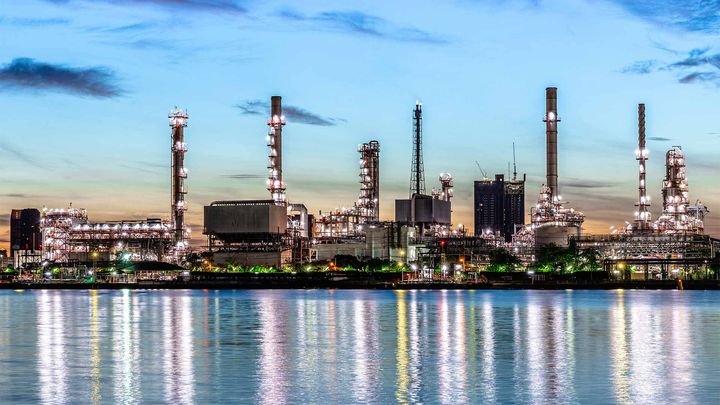
Europe’s economic performance is being dominated by geopolitics. War in the Middle East and its spillover effects are slowing growth in the euro area economy and driving up inflation. The damage to energy production infrastructure is already so great that rectifying this will continue long after the most acute phase of the war is over.
Decision-making at the European Central Bank (ECB) is marked by the extreme unpredictability of the operating environment. “Although a rise in headline inflation this year is unavoidable, it is still unclear what effect the war will have on inflation over the medium term. We will be closely monitoring developments in the Middle East conflict and its spillover effects on the economy. Interest rate decisions are not locked in beforehand,” says Bank of Finland Governor Olli Rehn.
Households cautious amid crisis
Household savings in the euro area have remained elevated since the COVID-19 pandemic. Analysis by the Bank of Finland shows that savings have risen in the 2020s as a result of interest rates being higher than in the period of zero rates, and because of a decline in real net wealth and the existence of public deficits. Uncertainty also leads to an increase in savings.
“The many crises since the start of the decade have increased caution among households. Developments in the Finnish economy and elsewhere in the euro area in recent years have been characterised by an increase in household savings and sluggish growth in private consumption,” says Rehn.
Euro area manufacturing burdened by energy costs
Dependence on fossil fuel imports amplifies the impact of geopolitical instability on Europe’s economic performance. Europe is struggling with subdued growth in manufacturing and high energy costs at the same time as the United States’ economy has shown dynamism and displayed an independence from energy imports. In Europe, the green transition in the energy sector is still in progress, and energy costs for European producers have stayed high since 2022. This is why the war in the Middle East will have considerable direct effects on the production costs of businesses and on the purchasing power of consumers.
“The Middle East war highlights how vital the green transition in energy is for Europe’s resilience and competitiveness – as well as being essential for the climate. Slowing the green transition now would be a serious mistake,” says Rehn. “The strength of the war’s impact on each of the euro area countries varies. The impact on the Finnish economy is moderated by the fact that Finland has made more rapid progress in the energy transition than many other countries.”
The euro area has an Achilles heel in the form of weak productivity growth. Growth in the euro area’s labour productivity has long been significantly below that of the United States, and the gap has continued to widen in recent years.
Productivity growth is a reflection of the economy’s non-cost competitiveness, and it indicates the structural strength of the economy and how well it can sustain growth in the long run.
Articles (in Finnish)
Keywords
Contacts
Median palvelulinja / Medietjänst / Media Service
Tel:+358 9 183 2101media@bof.fiLinks
Bank of Finland
The Bank of Finland is the national monetary authority and central bank of Finland. At the same time, it is also a part of the Eurosystem, which is responsible for monetary policy and other central bank tasks in the euro area and administers use of the world’s second largest currency – the euro.
Alternative languages
Subscribe to releases from Suomen Pankki
Subscribe to all the latest releases from Suomen Pankki by registering your e-mail address below. You can unsubscribe at any time.
Latest releases from Suomen Pankki
Kutsu medialle: Suomen Pankin tiedotustilaisuus euroalueen talouden näkymistä ja rahapolitiikasta30.9.2026 15:44:27 EEST | Kutsu
Millaisia seurauksia Lähi-idän konfliktin pitkittymisestä on taloudelle? Miten rahapolitiikka ja korot reagoivat Iranin sotaan ja toisaalta tekoälyinvestointien voimakkaaseen kasvuun? Mitä tekijöitä on viime aikojen globaalien pitkien korkojen nousun taustalla?
Utlåningen till företag ökade sommaren 202628.9.2026 10:00:00 EEST | Pressmeddelande
Under sommaren 2026 ökade det utestående beloppet av företagslån i banker med verksamhet i Finland. Företagen lyfte rikligt med lån i juni–augusti jämfört med motsvarande tidpunkt 2025. Lagstiftningen förändrades (pensionsreformen) och arbetspensionsanstalternas dotterbolag kan därför i sina fastighetsinvesteringar använda finansiell hävstång i större utsträckning än tidigare, vilket för sin del förklarar ökningen i utbetalningarna av företagslån.
Yrityslainakannan kasvuvauhti kiihtyi kesällä 202628.9.2026 10:00:00 EEST | Tiedote
Yrityslainojen kanta kasvoi kesän 2026 aikana Suomessa toimivissa pankeissa. Yritykset nostivat runsaasti lainoja kesä-elokuussa verrattuna vuoden 2025 vastaavaan ajankohtaan. Lainsäädäntö muuttui (eläkeuudistus), ja sen vuoksi työeläkelaitosten tytäryhtiöt voivat käyttää velkavipua kiinteistösijoituksissaan aiempaa laajemmin, mikä osaltaan selittää, miksi yritykset nostivat enemmän lainoja.
Growth rate of the corporate loan stock accelerated in summer 202628.9.2026 10:00:00 EEST | Press release
The stock of corporate loans at banks operating in Finland grew during summer 2026. Non-financial corporations drew down a large volume of loans in June–August compared with the corresponding period in 2025. Legislation changed (pension reform), and as a result subsidiaries of employee pension institutions can use leverage in their real estate investments more extensively than before, which in part explains why non-financial corporations drew down more loans.
Uusia euroseteleitä koskevaan EKP:n kyselyyn kymmenen miljoonaa vastausta23.9.2026 12:44:17 EEST | Uutinen
EKP:n pääjohtaja Lagarde: Kyselyyn annettujen vastausten perusteella eurooppalaiset ovat kiinnostuneita uusista seteleistä. Vastaajia oli kaikista euroalueen maista ja kaikista ikäryhmistä. EKP:n neuvosto ottaa kyselyn tulokset huomioon lopullisen suunnittelukonseptin valinnassa.
In our pressroom you can read all our latest releases, find our press contacts, images, documents and other relevant information about us.
Visit our pressroom