
Surprise wolverines: three cubs are growing up in their mother’s care at Korkeasaari Zoo
23.4.2026 09:00:28 EEST | Korkeasaaren eläintarha | Press release
The cubs’ 12-year-old mother is a record-old first-time parent. The successful birth was therefore a joyful surprise, even though the wolverines had been known to mate. The last time wolverine cubs were seen at Korkeasaari Zoo was nearly 20 years ago.
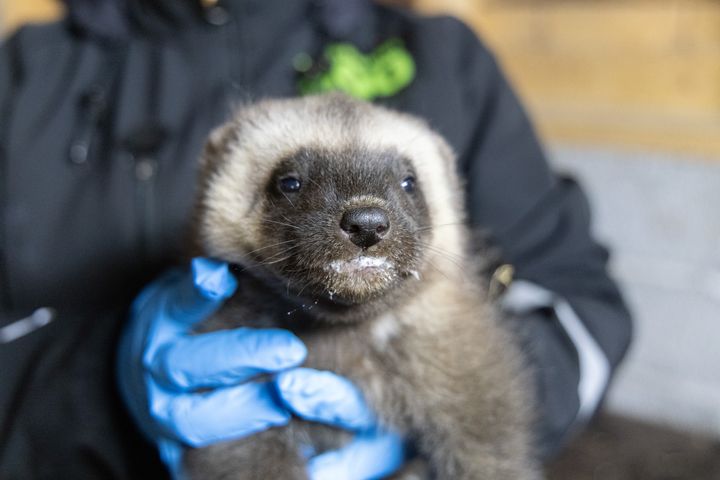
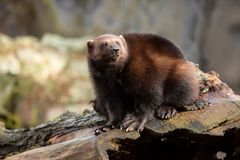
Three healthy wolverine cubs are growing up at Korkeasaari Zoo. What makes the case particularly exceptional is that their mother, Pinja, is a 12-year-old first-time mother – an unusually advanced age for giving birth for the first time. Over the years she has had several potential mates and mating has been observed, but only now the reproduction has been successful.
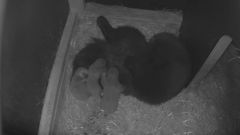
The cubs were born in early March. Their father initially spent time in the same enclosure as Pinja and showed interest in the vocal cubs. He even went into the den to look at them, but Pinja did not appreciate the disturbance. For this reason, the zookeepers moved the father to a different enclosure to ensure the mother could care for her young in peace. The keepers themselves have monitored the cubs’ first weeks of life only via a nest camera. They have approached the den just once a day to bring food to the mother.
“Pinja has been given complete peace to take care of her cubs – we haven’t even breathed in that direction! There's been quite a few tears of joy, because the pair finally managed to reproduce and everything has gone so well,” describes zookeeper Susan Nuurtila.
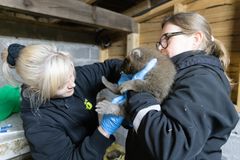
Now the keepers are already able to relax a little, as the cubs have had their first vet check-up. Korkeasaari Zoo's veterinarians weighed the cubs, gave them deworming medicine, and implanted microchips. At the same time, the cubs' sexes were determined: two males and one female. The keepers have already been thinking of names for them, all starting with the letter S this year.
Wolverine cubs are born with white fur. Gradually their coats begin to turn brown, and at around two weeks of age, characteristic markings start to appear on their faces, legs, and tails. Photos have also been taken of the cubs’ individual color patterns to help identify them later.
The mother is still nursing the cubs, which are not yet walking but crawling. Within a few weeks, they are expected to begin peeking more actively outside the den and tasting solid food. Visitors to Korkeasaari Zoo should not expect to see the cubs just yet, as they still have plenty to explore in the sheltered back areas of the enclosure. By summer, however, there will likely be lively activity in the wolverine habitat.
The last time wolverine cubs were seen at Korkeasaari Zoo was nearly 20 years ago. There are around 120 wolverines in European zoos, and the species is part of the EAZA Ex-situ Programme (EEP). When the cubs grow up and it is time for them to leave their mother, the program’s coordinator will find them new homes in other participating conservation zoos.
Contacts
Annika SorjonenCommunications SpecialistKorkeasaaren eläintarha
communications, Zoo's photography and videos
Ulla TuomainenCuratorKorkeasaaren eläintarha
Animal care and conservation
Images
Links
Korkeasaari Zoo
Korkeasaari Zoo is one of the most popular leisure destinations in Finland, and every year, it attracts almost half a million visitors of all ages. The zoo is open all year round. The most important mission of Korkeasaari is to conserve biodiversity and each and every one of the visitors supports this work. Korkeasaari is home for nearly two thousand animals representing approximately 160 species.
Korkeasaari conserves biodiversity as part of the network of zoos and conservation organizations. Endangered species are conserved by breeding as genetically diverse populations as possible to ensure the future of the species. Declining populations in the nature can be strengthened with the help of zoo populations, and animals can be reintroduced to areas where they have previously lived. European forest reindeers, Przewalski's wild horses and many other species have been sent from Korkeasaari Zoo to the wild.
The Zoo is managed by a non-profit foundation, called the Foundation of Korkeasaari Zoo (officially Korkeasaaren eläintarhan säätiö).
Alternative languages
Subscribe to releases from Korkeasaaren eläintarha
Subscribe to all the latest releases from Korkeasaaren eläintarha by registering your e-mail address below. You can unsubscribe at any time.
Latest releases from Korkeasaaren eläintarha
Esteettömyys ohjasi Korkeasaaren sisäänkäyntirakennuksen suunnittelua17.9.2026 14:53:22 EEST | Tiedote
Korkeasaaren uuden sisäänkäyntirakennuksen ja sen kokoustilan suunnittelussa otettiin alusta alkaen lähtökohdaksi tilojen esteettömyys. Esteettömyyttä tukevat ratkaisut parantavat kaikkien vierailijoiden kokemusta ja tekevät tiloista helppokäyttöiset.
Manulia suojellaan Korkeasaaren Kissojen Yössä10.9.2026 13:00:29 EEST | Tiedote
Korkeasaaren Kissojen Yö ja Syysillat kartuttavat varoja Keski-Aasian aroilla ja vuoristoissa elävän manulin suojeluun. Tapahtuman keräysvaroilla käynnistetyt suojeluprojektit tutkivat paksuturkkisen aasialaisen arokissan levinneisyyttä ja ehkäisevät lajiin luonnossa kohdistuvia uhkia. Korkeasaareen kesällä syntyneet manulinpennut turvaavat lajin säilymistä elinvoimaisena.
Korkeasaareen syntyi kaksi äärimmäisen uhanalaisen amurinleopardin pentua3.9.2026 10:26:47 EEST | Tiedote
Maailman uhanalaisin iso kissaeläin, amurinleopardi, on saanut kauan toivottuja jälkeläisiä Korkeasaaressa. Pennut ovat amurinleopardiparin ensimmäiset ja varttuneet viiden viikon ikään emonsa huolehtivassa hoivassa. Korkeasaaressa on tehty pitkäjänteistä työtä amurinleopardien lisäännyttämiseksi, sillä se tuo tarhakantaan tärkeää geneettistä monimuotoisuutta.
Two critically endangered Amur leopard cubs born at Korkeasaari Zoo3.9.2026 10:26:47 EEST | Press release
The world’s most endangered big cat, the Amur leopard, has welcomed two long-awaited cubs at Korkeasaari Zoo. The cubs are the first offspring of the pair and are now five weeks old, thriving under their mother’s attentive care. Korkeasaari Zoo has been working for many years to breed Amur leopards, as successful breeding plays an important role in maintaining genetic diversity in the zoo population.
Korkeasaaressa on kolme manulinpentua2.7.2026 11:47:40 EEST | Tiedote
Korkeasaaren manulinaaras on hoivannut pesässä kolmea pentua ja nyt se on johdattanut kahden kuukauden ikäiset jälkeläisensä ensimmäistä kertaa ulkoilemaan. Pentue on Korkeasaaren manulipariskunnan kolmas. Eläintarhat edistävät huonosti tunnetun keskiaasialaisen arokissan suojelua monin tavoin.
In our pressroom you can read all our latest releases, find our press contacts, images, documents and other relevant information about us.
Visit our pressroom