
Most traumatic brain injuries involving electric scooters occurred while the rider was intoxicated—restrictions have significantly reduced the number of accidents
30.6.2026 09:26:42 EEST | HUS | Press release
A study by HUS and the University of Helsinki shows that more than 80 percent of traumatic brain injuries related to electric scooter use occurred while under the influence of alcohol. The majority of accidents occurred on weekend nights. Restrictions on e-scooter use have significantly reduced the incidence of traumatic brain injuries.
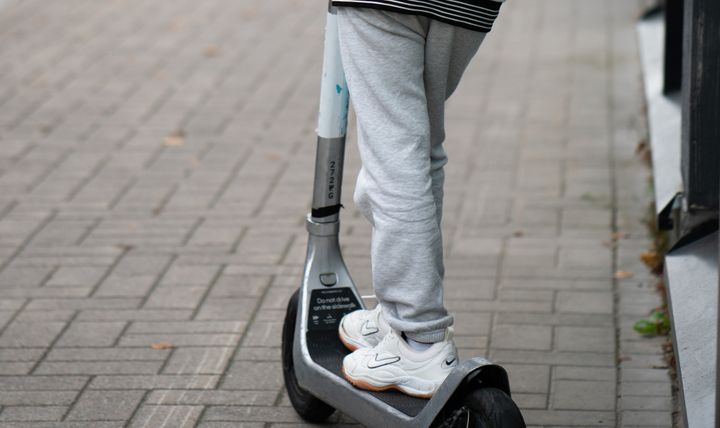
The study analyzed all traumatic brain injuries related to e-scooter use that were treated in Helsinki between 2021 and 2023. The study included 184 patients, 29 of whom were diagnosed with an intracranial injury based on brain imaging. The study was published in the esteemed Journal of Neurology, Neurosurgery and Psychiatry.
“Although most of patients suffered only a mild brain injury, i.e., a concussion, some injuries were life-threatening and caused long-term disability,” says Dr. Pihla Tommiska.
The median age of the patients was 32 years, and 70 percent of were men. The most severe cases required neurosurgery and treatment in an intensive care unit.
Most patients were injured while intoxicated
Of the 141 patients for whom information on intoxication was available, 82 percent were under the influence of alcohol at the time of the accident.
In the cases of more severe traumatic brain injuries, intoxication was extremely common: 88 percent of those who suffered an intracranial injury were intoxicated at the time of the accident. Even among those who managed to avoid an intracranial injury, 79 percent were intoxicated.
Accidents most often occurred late in the evening or at night, and especially on weekends. Only about one in ten patients were wearing a helmet.
Restrictions have reduced the number of traumatic brain injuries
The study found that the incidence of traumatic brain injuries decreased significantly after restrictions on the use of electric scooters were introduced. In Helsinki, restrictions were placed on the nighttime use of public e-scooters in the fall of 2021.
“Before the restrictions were introduced, the incidence of traumatic brain injuries was 2.2 cases per 100,000 trips. "After the restrictions were implemented, that figure fell to 1.0. The results show that restrictions on riding e-scooters while intoxicated reduce the number of serious injuries," explains Dr. Henri Vasara.
About the study
The study was conducted in collaboration between HUS Emergency Medicine and Services, neurosurgery at the HUS Neurocenter, and the University of Helsinki. The study examined the period between 2021–2023.
Finland's electric scooter legislation was revised in June 2025. New legislation set the minimum age for riding e-scooters at 15, established a blood alcohol limit of 0.5 per mille, and provided a clearer recommendation regarding helmet use. There is currently no research data on the impact of these changes on accidents.
Further information:
Researcher, Specializing physician Pihla Tommiska, M.D.
pihla.tommiska@helsinki.fi
Researcher, Specializing physician Henri Vasara, M.D.
henri.vasara@helsinki.fi
In university hospitals research is part of treatment: new research outcomes make treatment practises more efficient and help focus treatments correctly. We work in close collaboration with the University of Helsinki and other universities, and we publish ca 3,000 peer-reviewed research articles annually.
Today’s research provides better care in the future.
The HUS media service is available for the media Mon–Thu 10:00 a.m.–4:00 p.m. and Fri 10:00 a.m.–3:00 p.m., tel. 050 427 2875, or via e-mail: viestinta@hus.fi.
About HUS
HUS Helsinki University Hospital is the biggest provider of specialized healthcare in Finland. Our high expertise is internationally recognized and accredited. As a university hospital, we are on the cutting edge of developing and evaluating our treatment methods and activities.
HUS treats almost 700,000 patients every year. Our more than 27,000 professionals work to provide the best possible care for our patients. We are responsible for organizing specialized health care in the Uusimaa region. The treatment of many rare and difficult diseases in Finland has been centralized to HUS as well.
HUS – Leading healthcare
The HUS media service is available for the media Mon–Thu 10:00 a.m.–4:00 p.m. and Fri 10:00 a.m.–3:00 p.m., tel. 050 427 2875, or via e-mail: viestinta@hus.fi.
hus.fi/en
Alternative languages
Subscribe to releases from HUS
Subscribe to all the latest releases from HUS by registering your e-mail address below. You can unsubscribe at any time.
Latest releases from HUS
Studie gav ny kunskap om immunförsvaret vid leukemi29.9.2026 08:26:54 EEST | Pressmeddelande
Forskare vid HUS Cancercentrum och Helsingfors universitet utredde hur immunsystemet hos patienter med akut myeloisk leukemi reagerade på experimentell immunterapi. Förändringar som hänför sig till terapiresponsen visade sig i andra immunceller än förväntat baserat på tidigare studier.
Tutkimus toi uutta tietoa leukemian immuunipuolustuksesta29.9.2026 08:26:54 EEST | Tiedote
HUSin Syöpäkeskuksen ja Helsingin yliopiston tutkijat selvittivät, miten akuuttia myelooista leukemiaa sairastavien potilaiden immuunijärjestelmä reagoi kokeelliseen immunoterapiaan. Hoitovasteeseen liittyvät muutokset näkyivät eri immuunisoluissa kuin aiempien tutkimusten perusteella olisi voitu odottaa.
Study provides new insights into the immune response in leukemia29.9.2026 08:26:54 EEST | Press release
Researchers at HUS Comprehensive Cancer Center and the University of Helsinki investigated how the immune systems of patients with acute myeloid leukemia (AML) respond to experimental immunotherapy. The study found that changes associated with treatment response were observed in different immune cell types than would have been expected based on previous research.
Genetiska undersökningar kan avslöja orsaken till plötslig oförklarlig död hos unga14.9.2026 09:18:15 EEST | Pressmeddelande
Den bakomliggande orsaken till plötslig oförklarlig död hos unga kan vara en sällsynt ärftlig sjukdom som nödvändigtvis inte kommer fram i vanliga undersökningar. Genetiska undersökningar är en viktig del särskilt i utredningen av plötsliga oväntade dödsfall hos unga. Genetiska undersökningar kan också bidra till att identifiera släktingar som omfattas av risken och förebygga eventuella allvarliga hjärthändelser.
Geenitutkimus voi paljastaa syyn nuoren selittämättömälle äkkikuolemalle14.9.2026 09:18:15 EEST | Tiedote
Nuoren selittämättömän äkkikuoleman taustalla voi olla harvinainen perinnöllinen sairaus, joka ei välttämättä tule esiin tavanomaisissa tutkimuksissa. Geenitutkimus on tärkeä osa erityisesti nuorten odottamattomien äkkikuolemien syyn selvittämisessä. Geenitutkimus voi myös auttaa tunnistamaan riskissä olevia sukulaisia ja ehkäistä mahdollisia vakavia sydäntapahtumia.
In our pressroom you can read all our latest releases, find our press contacts, images, documents and other relevant information about us.
Visit our pressroom