
A child's severe RSV infection may increase the risk of asthma in early childhood
8.9.2026 07:55:55 EEST | HUS | Press release
A severe RSV infection in infancy appears to increase the risk of wheezing and asthma in early childhood. A newly published study also identified a novel gene locus associated with susceptibility to RSV infection.
Respiratory syncytial virus (RSV) is one of the most common causes of respiratory infection in young children. Severe RSV infection in infancy has been associated with wheezing and asthma later in childhood. However, it has remained unclear whether RSV itself causes asthma, or whether the same children are inherently susceptible to both severe RSV infection and asthma.
A study by HUS, the University of Helsinki's Institute for Molecular Medicine Finland (FIMM), Finnish Institute for Health and Welfare, and Nordic collaborative partners investigated this question by combining national Finnish registry data with genetic analyses. The study included nearly a million children born in Finland between 1998 and 2014. The genetic component was based on genomic data from nearly 100,000 participants in Nordic genetic cohorts.
Post-RSV respiratory symptoms most commonly occurred at 1 to 2 years of age
The study investigated how many children with recurrent wheezing or asthma had been hospitalized with RSV during the first year of their life, and how their clinical characteristics differed from other children with asthma.
Children hospitalized due to RSV used more inhaled asthma medication at ages 1 to 2 years, but after the age of five they used less such medication than other children with recurrent wheezing or asthma. Children who had RSV infection also had lower eosinophil counts. Higher eosinophil counts are typically associated with a predisposition to allergies.
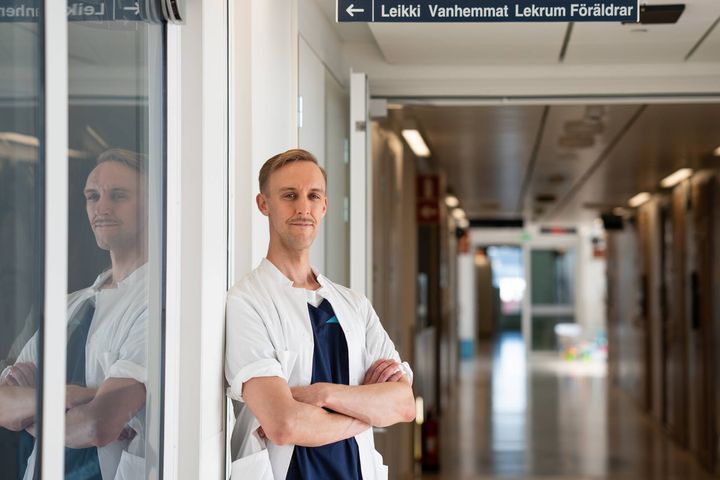
“The results indicate that recurrent wheezing or asthma related to RSV may be distinct from other similar symptoms. The symptoms appear to be concentrated in early childhood, and at least some children seem to outgrow them when they get older,” says Post-Doctoral Researcher and Specializing Physician in Pediatrics, Pekka Vartiainen.
A new genetic link behind severe RSV
The study discovered that familial factors related to predisposition to asthma did not increase infants’ risk of developing severe RSV. Instead, the researchers discovered that a gene locus named APBB1IP was associated with the risk of contracting the virus. The gene affects white blood cells’ ability to move towards the source of infection, which can have an impact on how easily a child falls ill with RSV infection. This study is the largest investigation to date on the effect of genetic factors on susceptibility to RSV infection.
RSV prevention has changed rapidly in recent years. New, long-acting antibodies given to infants are effective at preventing the severe outcomes of RSV infection. The antibody reduces the severity of RSV symptoms so significantly that severe cases of RSV in infants nearly disappear.
“The next important step is to determine whether these antibodies also reduce respiratory symptoms later in childhood,” says Vartiainen.
In university hospitals research is part of treatment: new research outcomes make treatment practises more efficient and help focus treatments correctly. We work in close collaboration with the University of Helsinki and other universities, and we publish ca 3,000 peer-reviewed research articles annually.
Today’s research provides better care in the future.
The HUS media service is available for the media Mon–Thu 10:00 a.m.–4:00 p.m. and Fri 10:00 a.m.–3:00 p.m., tel. 050 427 2875, or via e-mail: viestinta@hus.fi.
Keywords
Contacts
Postdoctoral Researcher, Specializing Physician in Pediatrics, Pekka Vartiainen, tel. 050 427 2278, pekka.vartiainen@helsinki.fi
Links
About HUS
HUS Helsinki University Hospital is the biggest provider of specialized healthcare in Finland. Our high expertise is internationally recognized and accredited. As a university hospital, we are on the cutting edge of developing and evaluating our treatment methods and activities.
HUS treats almost 700,000 patients every year. Our more than 27,000 professionals work to provide the best possible care for our patients. We are responsible for organizing specialized health care in the Uusimaa region. The treatment of many rare and difficult diseases in Finland has been centralized to HUS as well.
HUS – Leading healthcare
The HUS media service is available for the media Mon–Thu 10:00 a.m.–4:00 p.m. and Fri 10:00 a.m.–3:00 p.m., tel. 050 427 2875, or via e-mail: viestinta@hus.fi.
hus.fi/en
Alternative languages
Subscribe to releases from HUS
Subscribe to all the latest releases from HUS by registering your e-mail address below. You can unsubscribe at any time.
Latest releases from HUS
HUS övergår till att skicka patientbrev i första hand elektroniskt21.10.2026 07:30:00 EEST | Pressmeddelande
HUS tar Suomi.fi-meddelanden i användning 26.10.2026. Efter det skickas patientbrev till myndiga personer till Maisa, Suomi.fi-meddelanden eller OmaPosti. Pappersbrev får ännu de patienter som inte har tagit e-tjänster i användning.
HUS siirtyy lähettämään potilaskirjeet ensisijaisesti sähköisesti21.10.2026 07:30:00 EEST | Tiedote
HUS ottaa Suomi.fi-viestit käyttöön 26.10.2026. Tämän jälkeen täysi-ikäisten potilaskirjeet toimitetaan Maisaan, Suomi.fi-viesteihin tai OmaPostiin. Paperikirjeen saavat edelleen ne potilaat, jotka eivät ole ottaneet sähköisiä palveluja käyttöön.
HUS to primarily deliver patient letters electronically21.10.2026 07:30:00 EEST | Press release
HUS will start using Suomi.fi messages on October 26, 2026. From that date onward, letters to patients over the age of 18 are delivered to Maisa, Suomi.fi messages, or OmaPosti. Patients who have not enabled electronic services will continue to receive paper letters.
Sammanslutningens styrelse valde HUS nya leverantör av bilddiagnostisk lösning5.10.2026 13:16:05 EEST | Pressmeddelande
På sitt möte valde sammanslutningens styrelse HUS nya leverantör av bilddiagnostisk lösning och behandlade verksamheten och ekonomin för januari–augusti 2026.
Yhtymähallitus valitsi HUSin kuvantamisratkaisun toimittajan5.10.2026 13:16:05 EEST | Tiedote
Yhtymähallitus valitsi kokouksessaan HUSin kuvantamisratkaisun toimittajan sekä käsitteli tammi−elokuun 2026 toimintaa ja taloutta.
In our pressroom you can read all our latest releases, find our press contacts, images, documents and other relevant information about us.
Visit our pressroom