
Study provides new insights into the immune response in leukemia
29.9.2026 08:26:54 EEST | HUS | Press release
Researchers at HUS Comprehensive Cancer Center and the University of Helsinki investigated how the immune systems of patients with acute myeloid leukemia (AML) respond to experimental immunotherapy. The study found that changes associated with treatment response were observed in different immune cell types than would have been expected based on previous research.
Acute myeloid leukemia (AML) is a rapidly progressing cancer of the blood cells and the most common type of acute leukemia in adults. In Finland, 300–400 new cases of AML are diagnosed annually. In AML, immature blood cells multiply rapidly in the bone marrow, blocking the production of healthy blood cells.
Researchers examined the responses of various immune cells to an experimental immunotherapy in patients with AML and investigated the changes associated with the treatment response. Immunotherapies are cancer treatments that boost the body’s own immune system and help destroy cancer cells.
“Cancer immunotherapies have revolutionized the treatment of several cancers in recent years. However, immunotherapies have not been as successful in the treatment of AML as they have been in treating other cancers,” says Jani Huuhtanen, MD, specializing physician in clinical hematology.
The study was based on an early-phase clinical trial that enrolled patients at HUS Comprehensive Cancer Center. The patients received sabatolimab immunotherapy targeting the TIM-3 molecule in combination with decitabine, which is part of the established treatment for patients with AML. The researchers analyzed blood and bone marrow samples from the patients to investigate how the various immune cell types reacted to the therapy.
Immune response in leukemia differed from expectations
The effectiveness of immunotherapy is in many cancers based on the activation of killer T cells. In AML patients, however, such changes were observed only to a limited extent. This can partly explain why therapies based on the same mechanisms have not been as successful in treating leukemia as they have been for other cancers.
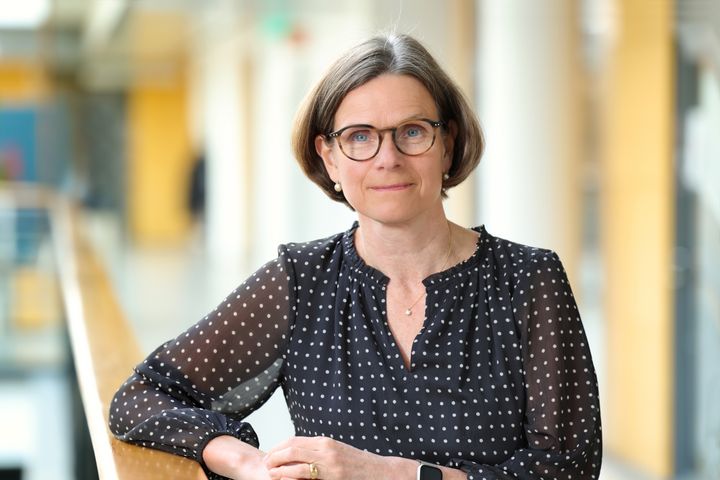
“The surprising discovery was that the significant changes in patients that benefited from the treatment weren’t primarily in killer T cells, but in the natural killer, or NK, cells and helper T cells. This observation suggests that, in leukemia, other immune cells may have a key role in the immune defense against cancer,” says Satu Mustjoki, professor of translational hematology and specialist in clinical chemistry.
The study helps explain why immunotherapies work differently for different cancers. At the same time, it identifies new areas for research that could support the development of more precisely targeted immunotherapies in the future.
In university hospitals research is part of treatment: new research outcomes make treatment practises more efficient and help focus treatments correctly. We work in close collaboration with the University of Helsinki and other universities, and we publish ca 3,000 peer-reviewed research articles annually.
Today’s research provides better care in the future.
The HUS media service is available for the media Mon–Thu 10:00 a.m.–4:00 p.m. and Fri 10:00 a.m.–3:00 p.m., tel. 050 427 2875, or via e-mail: viestinta@hus.fi.
Contacts
Jani Huuhtanen
MD, Specializing Physician in Clinical Hematology
University of Helsinki and HUS Helsinki University Hospital
First author and co-corresponding author
jani.huuhtanen@helsinki.fi
050 4350 191
Satu Mustjoki
Professor of Translational Hematology
Chief Physician
University of Helsinki and HUS Helsinki University Hospital
Principal investigator and corresponding author
satu.mustjoki@helsinki.fi
09 471 71898
Images


Links
About HUS
HUS Helsinki University Hospital is the biggest provider of specialized healthcare in Finland. Our high expertise is internationally recognized and accredited. As a university hospital, we are on the cutting edge of developing and evaluating our treatment methods and activities.
HUS treats almost 700,000 patients every year. Our more than 27,000 professionals work to provide the best possible care for our patients. We are responsible for organizing specialized health care in the Uusimaa region. The treatment of many rare and difficult diseases in Finland has been centralized to HUS as well.
HUS – Leading healthcare
The HUS media service is available for the media Mon–Thu 10:00 a.m.–4:00 p.m. and Fri 10:00 a.m.–3:00 p.m., tel. 050 427 2875, or via e-mail: viestinta@hus.fi.
hus.fi/en
Alternative languages
Subscribe to releases from HUS
Subscribe to all the latest releases from HUS by registering your e-mail address below. You can unsubscribe at any time.
Latest releases from HUS
Genetiska undersökningar kan avslöja orsaken till plötslig oförklarlig död hos unga14.9.2026 09:18:15 EEST | Pressmeddelande
Den bakomliggande orsaken till plötslig oförklarlig död hos unga kan vara en sällsynt ärftlig sjukdom som nödvändigtvis inte kommer fram i vanliga undersökningar. Genetiska undersökningar är en viktig del särskilt i utredningen av plötsliga oväntade dödsfall hos unga. Genetiska undersökningar kan också bidra till att identifiera släktingar som omfattas av risken och förebygga eventuella allvarliga hjärthändelser.
Geenitutkimus voi paljastaa syyn nuoren selittämättömälle äkkikuolemalle14.9.2026 09:18:15 EEST | Tiedote
Nuoren selittämättömän äkkikuoleman taustalla voi olla harvinainen perinnöllinen sairaus, joka ei välttämättä tule esiin tavanomaisissa tutkimuksissa. Geenitutkimus on tärkeä osa erityisesti nuorten odottamattomien äkkikuolemien syyn selvittämisessä. Geenitutkimus voi myös auttaa tunnistamaan riskissä olevia sukulaisia ja ehkäistä mahdollisia vakavia sydäntapahtumia.
Genetic testing may reveal the cause of sudden death in a young person14.9.2026 09:18:15 EEST | Press release
The reason for an unexplained sudden death of a young person may be a rare hereditary disease that can remain undetected in standard examinations. Genetic testing is an important part of investigating the cause of an unexpected sudden death, especially in adolescents. Genetic testing may also help to identify relatives who are at risk of sudden death, and to prevent possible severe cardiac events.
Svår RS-virusinfektion kan öka risken att barnet drabbas av astma i den tidiga barndomen8.9.2026 07:55:55 EEST | Pressmeddelande
En svår RS-virusinfektion i spädbarnsåldern ser ut att öka risken för pipande andning och astma i den tidiga barndomen. I en nyligen publicerad studie identifierades också ett nytt genområde som är förknippat med benägenheten att drabbas av RS-virusinfektion.
Vaikea RSV-infektio voi lisätä lapsen riskiä sairastua astmaan varhaislapsuudessa8.9.2026 07:55:55 EEST | Tiedote
Vauvana sairastettu vakava RSV-infektio näyttää lisäävän hengityksen vinkunan ja astman riskiä varhaislapsuudessa. Vastajulkaistussa tutkimuksessa tunnistettiin myös uusi geenialue, joka liittyy alttiuteen sairastua RSV-infektioon.
In our pressroom you can read all our latest releases, find our press contacts, images, documents and other relevant information about us.
Visit our pressroom