
Aalto University unveils AaltoQ20 – a state-of-the-art quantum computer for educating quantum talent of the future
11.3.2026 12:01:00 EET | Aalto-yliopisto | Press release
AaltoQ20 is a unique quantum computer that researchers can also use to study quantum phenomena and develop new technology.
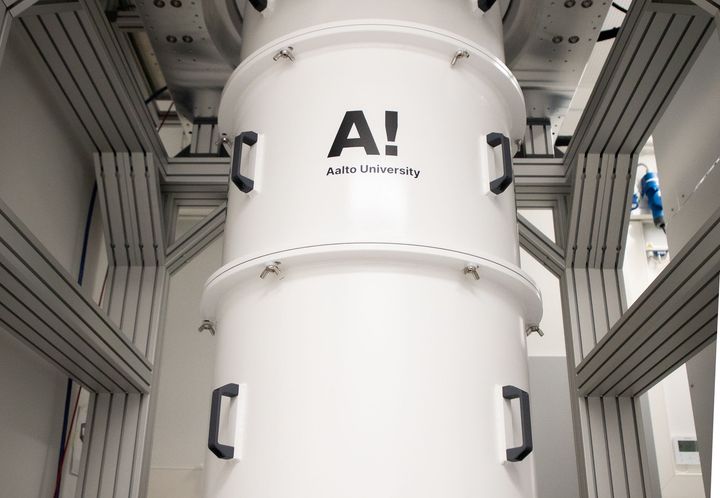
Quantum technology is poised to disrupt things like telecommunications, ICT energy consumption and scientific research in the coming years and decades. The global market value is estimated to reach up to 90 billion euros by 2035. It is the same year the Finnish quantum industry is projected to need around 3 000 new skilled employees to maintain the country’s pioneering status and meet goals laid out in the national Quantum Technology Strategy.
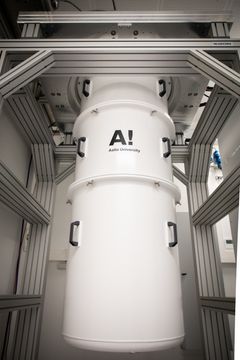
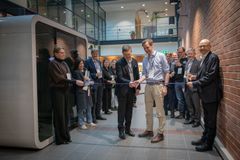
Aalto University, as a leader in Finnish quantum technology, is now announcing the new AaltoQ20 quantum computer, open for research and educational use. The purpose of Q20 is to educate future talent in the field, carry out pioneering research and develop new quantum technology. Q20, which Aalto owns, combines the university’s signature approach of learning-by-doing, low hierarchy and world-class research infrastructures.
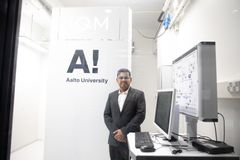
Q20 was constructed with research infrastructure funding from the Research Council of Finland from 2022 to 2026. Department of Applied Physics Professor Tapio Ala-Nissilä and Staff Scientist Suman Kundu led the project. The quantum computing giant IQM and leading cryogenics manufacturer Bluefors, both of which got their start at the Department, contributed crucial components.
‘As Finland’s fourth quantum computer, the Q20 is a show of strength for the Finnish quantum ecosystem of universities, companies and research organizations. Q20 allows Aalto to have its own computer for researchers to easily access, and students in the Quantum Technology major will get to use it as part of their studies, which is rare even on a global scale,’ Ala-Nissilä says.
Bleeding-edge tech for researchers and students
Ala-Nissilä says Europe has a few quantum computers owned by universities, but Q20 is a radical departure from them.
‘Many of the university quantum computers we’ve seen so far have been mostly experimental and their purpose has been to accrue experience about building them. Q20 represents the latest in quantum computing and has been built for the express purpose of carrying out quantum calculations.’
Jan Goetz, CEO and Co-founder of IQM who delivered components to Q20 and is set to be listed on the U.S. stock market, reminds that direct ownership carries additional benefits.
‘When institutions like Aalto University own their quantum computers, it means their data, their IP, and their expertise stay theirs. That’s not a feature — that’s a strategic posture to enable world-class research and education. Aalto Q20 is Finland’s fourth proof point that IQM’s strategy to empower customers is a winning strategy,’ Goetz says.
Q20, which gets its name from the 20 units of quantum calculational power, or qubits, it contains, has been designed to allow researchers access beyond quantum circuits down to the level of microwave pulses deep in the machine. This is why Q20 can be used for research that cannot be done with most other quantum computers.
“Aalto and CSC researchers have already used Q20 to study things like quantum computing algorithms and quantum machine learning. So from the get-go Q20 has been producing not just fundamental research but contributing to new quantum technologies.’
An arc of decades
According to Ala-Nissilä, the decision to build Q20 mostly in-house can turn out hugely consequential.
‘In the 1950s researchers built an analogue computer by themselves rather than buying one from a manufacturer. That formed the basis for expertise that eventually led to the rise of Nokia more than 30 years later. I believe the Q20 project could have a similar impact decades down the line.’
Aalto’s quantum computer wouldn’t have been possible without the decades of investment that has also led to Finland’s leading status in the global competition to master quantum technology.
‘Quantum technology expertise at Aalto has its roots in the inception of the Low Temperature Laboratory in the 1960s and in the emphasis on nanotechnology in the late 1990s and early 2000s. It shows just how crucial it is to develop expertise and foster foundational research over decades.’
Q20 is a part of FiQCI, the Finnish quantum computing infrastructure maintained by VTT, Aalto University, and CSC - IT Center for Science. Researchers can access Q20 through FiQCI and the LUMI supercomputer.
Keywords
Contacts
Tapio Ala-Nissilä
Professor, Aalto University
tapio.ala-nissila@aalto.fi
Suman Kundu
Staff Scientist, Aalto University
suman.kundu@aalto.fi
Images
Links
Information about the publisher
Aalto University is where science and art meet technology and business. We shape a sustainable future by making research breakthroughs in and across our disciplines, sparking the game changers of tomorrow and creating novel solutions to major global challenges. Our community is made up of 16 000 students and 5 200 employees, including 446 professors. Our campus is in Espoo, Greater Helsinki, Finland.
Alternative languages
Subscribe to releases from Aalto-yliopisto
Subscribe to all the latest releases from Aalto-yliopisto by registering your e-mail address below. You can unsubscribe at any time.
Latest releases from Aalto-yliopisto
Walter Ahlströmin säätiö lahjoittaa 3 miljoonaa euroa Aalto-yliopistolle24.4.2026 08:39:25 EEST | Tiedote
Lahjoituksella Aalto perustaa kestävän teollisen tuotannon professuurin.
Kutsu: Opiskelijoiden projekteista syntyy patentteja ja startupeja – tuotekehityskurssin loppugaala esittelee ratkaisut aitoihin haasteisiin23.4.2026 09:45:00 EEST | Kutsu
Aalto-yliopiston huippusuositulla tuotekehityskurssilla opiskelijat kehittävät luovia ratkaisuja yritysten antamiin aitoihin haasteisiin. Jo 30 vuoden ajan järjestetyllä kurssilla kehitetyistä prototyypeistä on syntynyt myös lukuisia patentteja ja startupeja. Tänä vuonna opiskelijat kehittivät ratkaisuja muun muassa teho-osastoille, laivojen ohjaamoihin ja rakennustyömaille.
Tutkimus paljastaa, missä näätä, kärppä ja lumikko viihtyvät – elinympäristöt kartoitettiin ensimmäistä kertaa koko Suomessa15.4.2026 07:30:00 EEST | Tiedote
Näädän, kärpän ja lumikon kannat ovat kutistuneet merkittävästi eri puolilla Suomea viime vuosikymmenten aikana. Sillä voi olla vaikutusta peto-saalis-suhteisiin ja laajemmin metsiin ekosysteeminä. Tuore tutkimus antaa nyt eläinten suojelulle arvokasta tietoa siitä, millaisissa elinympäristöissä näätäeläimet parhaiten menestyvät.
Uuvuttaako puhelimen selailu? Tekoälymalli simuloi nyt fyysistä ponnistelua14.4.2026 07:30:00 EEST | Tiedote
Älypuhelinten keräämät lokit kertovat, mitä kohtia näytöstä käyttäjät napauttavat ja pyyhkäisevät. Nyt tutkijat ovat kehittäneet tekoälymallin, joka simuloi näihin liikkeisiin liittyvää tuki- ja liikuntaelimistön rasitusta.
Ennätyksellinen fotoniikan keksintö vangitsee valon sirulle miljooniksi kierroksiksi13.4.2026 13:15:00 EEST | Tiedote
Uusi löydös avaa tien kohti nopeampia ja energiatehokkaampia siruja, joita voidaan hyödyntää esimerkiksi fotoniikka- ja kvanttilaitteiden rakennusmateriaalina.
In our pressroom you can read all our latest releases, find our press contacts, images, documents and other relevant information about us.
Visit our pressroom