Lack of familiarity with school culture can hinder cooperation between migrant families and Finnish schools
8.6.2026 07:02:00 EEST | Jyväskylän yliopisto | Press release
Migrant parents want to be involved in their children’s schooling in Finland, but unfamiliar school practices, cultural expectations, and language barriers may limit their participation. A new study from the University of Jyväskylä highlights how these factors affect home–school cooperation.
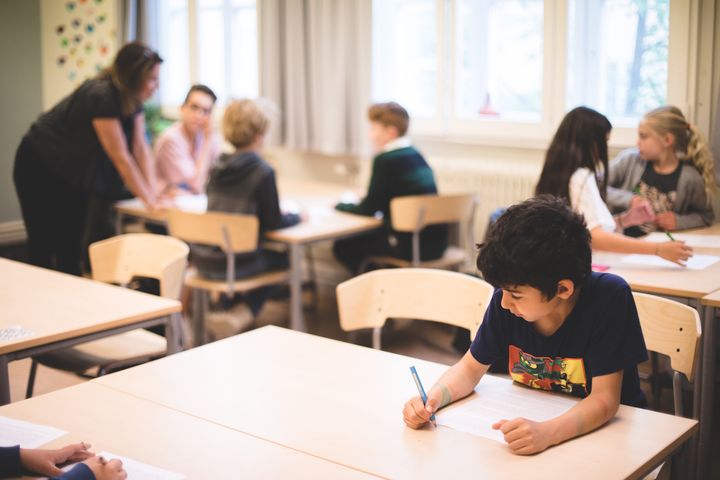
A recently published article in the Nordic Journal of Migration Research examines how migrant families experience cooperation with Finnish schools. Drawing on the experiences of 24 immigrant parents from India, Bangladesh, and Pakistan, the study offers an in-depth view of their engagement and the subtle barriers affecting it.
Finnish education is renowned worldwide for its equity, equality, and inclusivity. However, immigrant families face a complex set of challenges that complicate cooperation with schools. These include communication barriers, cultural values, and differing expectations.
“While parents in general value Finnish teachers' welcoming and caring attitude, many have expressed disappointment and uncertainty regarding their own involvement in their children’s school education”, tells researcher Qazi Ahmed from the Department of Education at the University of Jyväskylä.
Parents value education, but face structural and cultural barriers
The study shows that migrant parents from South Asia place a high value on their children's education and appreciate the efforts made by Finnish schools. However, systemic and cultural mismatches, such as language barriers between the parents and teachers as well as unfamiliar school practices, can make cooperation difficult.
“Many migrant parents come from educational systems where teachers wield significant power and authority. This can hinder parent-teacher cooperation and lead to hesitation in proactively interacting with schools or raising concerns”, Ahmed explains.
Some parents reported that they were reluctant to question teachers, even in situations they perceived as unequal, out of concern that doing so could lead to further discrimination and negatively affect their child.
The findings also indicate that structural factors, such as parents’ work-life situations, as well as cultural differences, may create distance between migrant families and schools, either intentionally or unintentionally.
Need for more inclusive practices
Overall, the study highlights that although Finnish education promotes equality and parental engagement, not all families have equal access to these opportunities. The findings indicate that Finnish education is not yet particularly adept at addressing cultural diversity and supporting families from diverse backgrounds.
“For immigrant families, home–school cooperation is not just about sending messages or attending meetings, but also about feeling heard, included, and respected by the school”, says Ahmed.
According to Ahmed, recognizing families as active partners and valuing their diverse knowledge and cultures can strengthen mutual understanding and support more inclusive school communities.
This study was funded by the Department of Education, JYU, published in the Nordic Journal of Migration Research, and is available as an open-access publication.
Ahmed QW, Rönkä A, Eerola P. (2026) Home–School Cooperation in Children’s Education: Narratives of South Asian Immigrant Parents in Finland. Nordic Journal of Migration Research.
Contacts
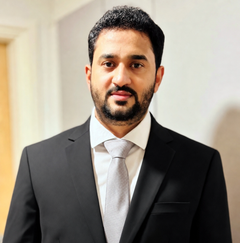
Qazi Ahmed
Postdoc Researcher,
Department of Education, JYU
qazi.w.ahmed@jyu.fi
Anna Rönkä
Professori
Kasvatustieteiden laitos, JYU
anna.k.ronka@jyu.fi
Kirke HassinenCommunications Specialist
Tel:+358 50 462 1525kirke.m.hassinen@jyu.fiImages
Alternative languages
Subscribe to releases from Jyväskylän yliopisto
Subscribe to all the latest releases from Jyväskylän yliopisto by registering your e-mail address below. You can unsubscribe at any time.
Latest releases from Jyväskylän yliopisto
Jyväskylän yliopisto ja UCLA vahvistavat yhteistyötään aiesopimuksella11.9.2026 11:11:26 EEST | Tiedote
Jyväskylän yliopiston kasvatustieteiden ja psykologian tiedekunta sekä UCLA:n kasvatuksen ja informaatiotutkimuksen tiedekunta (School of Education and Information Studies) ovat allekirjoittaneet syyskuussa aiesopimuksen, jonka tavoitteena on vahvistaa tiedekuntien välistä kansainvälistä yhteistyötä tutkimuksessa, koulutuksessa ja osaamisen kehittämisessä.
Luokanopettajan aikuiskoulutus ja tietojenkäsittelytiede kiinnostivat syksyn 2026 yhteishaussa11.9.2026 09:10:40 EEST | Tiedote
Syksyn yhteishaku korkeakouluihin päättyi torstaina 10.9.2026. Jyväskylän yliopistossa tänä syksynä viidessä hakukohteessa tarjolla olleisiin 117 opiskelupaikkaan pyrki 621 hakijaa, joilta kertyi hakukohdekohtaisia hakemuksia 683 kappaletta.
Miten metsiin perustuva arvonluonti uudistuu? Tutkijat esittelevät näkemyksensä Wisdom Letters -tilaisuudessa10.9.2026 07:05:00 EEST | Tiedote
Miten Suomen metsät voivat luoda hyvinvointia myös tulevaisuudessa? Tätä kysymystä tarkastellaan tiistaina 15.9.2026 Jyväskylän yliopistossa järjestettävässä Monimuotoinen metsä arvonluonnin alustana: Luonto, talous ja oikeudenmukaisuus tasapainoon -julkaisun julkistamistilaisuudessa.
Vuokatin liikuntateknologian maisteriohjelmasta valmistui 100. maisteri9.9.2026 11:30:41 EEST | Tiedote
Vuokatissa on koulutettu liikuntateknologian maistereita vuodesta 2004 lähtien. Koulutusohjelmasta on valmistunut nyt 100 maisteria. Vuokatin maisteriopiskelijat suorittavat opintojaan monimuoto-opiskeluna. Opintosuuntia ovat biomekaniikka, liikuntafysiologia ja valmennustieteet.
Strategisen tutkimuksen neuvostolta yli 3 miljoonaa euroa Jyväskylän yliopiston tutkimukseen9.9.2026 10:53:22 EEST | Tiedote
Suomen Akatemian yhteydessä toimiva strategisen tutkimuksen neuvosto (STN) on myöntänyt yhteensä 24 miljoonaa euroa rahoitusta mielen kansanterveyttä sekä arktisen alueen murrosta koskevaan tutkimukseen. Jyväskylän yliopisto sai rahoituksesta yli kolme miljoonaa euroa.
In our pressroom you can read all our latest releases, find our press contacts, images, documents and other relevant information about us.
Visit our pressroom