
Teens’ screen time linked to lagging skills in core subjects
18.6.2026 08:55:23 EEST | Jyväskylän yliopisto | Press release
Frequent use of digital devices for entertainment is linked to weaker learning outcomes among lower secondary students. According to researchers at the University of Jyväskylä, 15-year-olds who spend the most time on screens in their free time can lag behind their peers by up to a year in math, reading, and science.
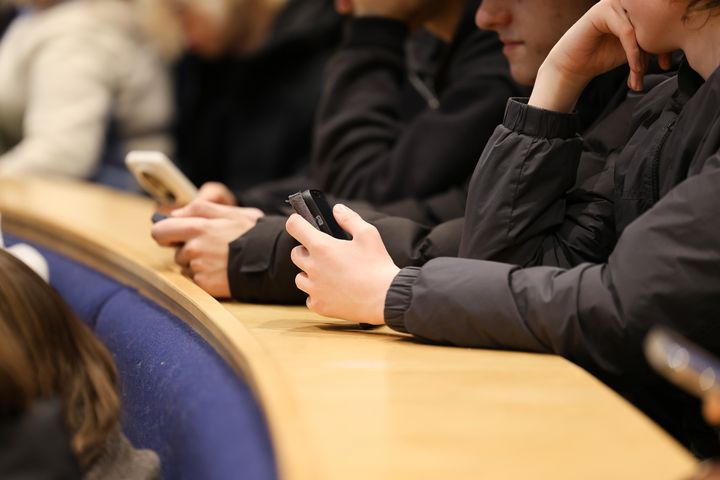
Researchers at the University of Jyväskylä analysed data from over 10,000 Finnish adolescents to examine the relationships between students’ use of digital devices, confidence in their digital skills, and scores in core subjects. The study found that the more frequently 15-year-olds use digital devices for entertainment, the worse they perform in math, reading, and science. On average, their results corresponded to the level of 14-year-olds. This pattern in consistent across both boys and girls, as well as native and immigrant students.
Other studies have found that such frequent use of digital devices negatively affects school performance as children spend time watching videos, scrolling through social media, or playing games instead of preparing for school, getting enough sleep, or engaging in face-to-face social and sport activities.
“Based on strong scientific evidence, we recommend parents limit their children’s screen time to no more than a couple of hours per day during the school week. This includes watching videos, scrolling through social media and playing games”, researcher Mitcho Hristov from the University of Jyväskylä states on behalf of the research group. These are in line with recommendations (by THL and EDUFI), which also offer more detailed guidelines for parents.
By limiting screen time, children and adolescents can have a more balanced lifestyle that does not exclude digital entertainment and allows them to focus on their studies and enjoy in-person activities.
High confidence in programming related to poorer school performance
The study also revealed a surprising finding related to students’ perceptions of their own digital competence.
“We found that high confidence in computer programming skills was also related to poorer performance across school subjects. Previous literature is not clear on why this may be happening, and for now we can only recommend further research into this phenomenon”, Hristov states.
On the other hand, high confidence in everyday digital skills such as searching for information, using text editors and presentation software, was strongly related to better school performance.
The use of technology in learning associated with lower achievement among immigrant students
The study found using digital devices for school-related activities such as creating presentations, writing texts or looking up information online had a negative effect on school achievement among immigrant students.
Previous research has found that immigrant students tend to have less developed digital skills which could be making it more challenging for them to complete digital schoolwork. Such delays in skill development are often linked to lower socioeconomic status and lower language and reading ability, although the researchers were not able to examine the role of these factors in the present study.
However, this was not the case among native students where using digital devices for school-related activities was not associated with school achievement at all. Hristov says this lack of effect could be because the use of digital devices in Finnish schools is still quite basic and limited to presentations, online assignments, watching videos or interactive quizzes.
“Another reason could be that teachers may not feel confident in their own digital skills or don’t have the time and technical support to integrate more meaningful digital interactions in their lessons”, Hristov says.
The study used PISA 2022 data from over 10,000 students in Finland, aged 15. PISA tests math, reading, and science skills, and collects further information about other important skills and attitudes. This study in question used the information and communications technology questionnaire.
The study is a part of the EDUCA Flagship funded by the Research Council of Finland and led by the University of Jyväskylä. Mitcho Hristov is a doctoral student in the EDUCA-Doc Doctoral Education Pilot funded by the Ministry of Education and Culture.
Original article
Hristov, M., Yada, T., Fagerlund, J., Näykki, P., & Häkkinen, P. (2025). Understanding the relationships among ICT use, self-efficacy, and achievement in PISA 2022: A multigroup analysis featuring gender and immigrant status. Computers & Education, 105539. https://doi.org/10.1016/j.compedu.2025.105539
Keywords
Contacts
Mitcho Hristov, mitcho.a.hristov@jyu.fi
Doctoral Researcher
Finnish Institute for Educational Research, University of Jyväskylä
Kirke HassinenCommunications Specialist
Tel:+358 50 462 1525kirke.m.hassinen@jyu.fiAlternative languages
Subscribe to releases from Jyväskylän yliopisto
Subscribe to all the latest releases from Jyväskylän yliopisto by registering your e-mail address below. You can unsubscribe at any time.
Latest releases from Jyväskylän yliopisto
Korkea painoindeksi nuoruudessa voi kiihdyttää biologista vanhenemista17.9.2026 06:30:00 EEST | Tiedote
Jyväskylän yliopiston tutkimus osoitti, että korkea painoindeksi nuoruudessa voi olla yhteydessä kiihtyneeseen biologiseen vanhenemiseen aikuisuudessa. Tulokset viittaavat siihen, että erityisesti nuoret, joilla on korkea painoindeksi vanhenevat biologisesti muita nopeammin.
Aikuiset oppivat vieraan kielen puheäänteitä nopeasti – yhdessä oppiminen voi vauhdittaa oppimista15.9.2026 09:03:14 EEST | Tiedote
Aikuiset voivat oppia vieraan kielen uusia puheäänteitä huomattavasti nopeammin kuin aiemmin on ajateltu. Jyväskylän yliopiston tutkimuksessa suomenkieliset aikuiset oppivat havaitsemaan mandariinikiinan sävelkulkuja jo neljän tunnin harjoittelun jälkeen. Tulokset viittaavat myös siihen, että toisen oppijan läsnäolo voi tukea oppimista erityisesti sen alkuvaiheessa.
Global Ranking of Academic Subjects 2026: Seitsemän JYU:n tieteenalaa mukana maailman parhaiden joukossa15.9.2026 08:38:12 EEST | Tiedote
Tiistaina 15.9.2026 julkaistussa Shanghai Rankingin eri tieteenalojen kansainvälisessä yliopistovertailussa (Global Ranking of Academic Subjects) Jyväskylän yliopisto sijoittuu sadan parhaan joukkoon kahdessa tieteenalaluokassa.
Työhyvinvoinnin vaikutukset syntyvät vuosien aikana, eivät yksittäisillä tempauksilla14.9.2026 10:37:53 EEST | Tiedote
LitM Antti Äikäs tutki väitöskirjassaan yhdeksän vuoden terveyden edistämisohjelmaa työpaikalla ja havaitsi, että pitkäjänteinen työhyvinvoinnin kehittäminen voi vähentää sairauspoissaoloja sekä tukea työntekijöiden terveyttä ja organisaation taloudellista tulosta.
Jyväskylän yliopisto ja UCLA vahvistavat yhteistyötään aiesopimuksella11.9.2026 11:11:26 EEST | Tiedote
Jyväskylän yliopiston kasvatustieteiden ja psykologian tiedekunta sekä UCLA:n kasvatuksen ja informaatiotutkimuksen tiedekunta (School of Education and Information Studies) ovat allekirjoittaneet syyskuussa aiesopimuksen, jonka tavoitteena on vahvistaa tiedekuntien välistä kansainvälistä yhteistyötä tutkimuksessa, koulutuksessa ja osaamisen kehittämisessä.
In our pressroom you can read all our latest releases, find our press contacts, images, documents and other relevant information about us.
Visit our pressroom